
01
Roads & highways
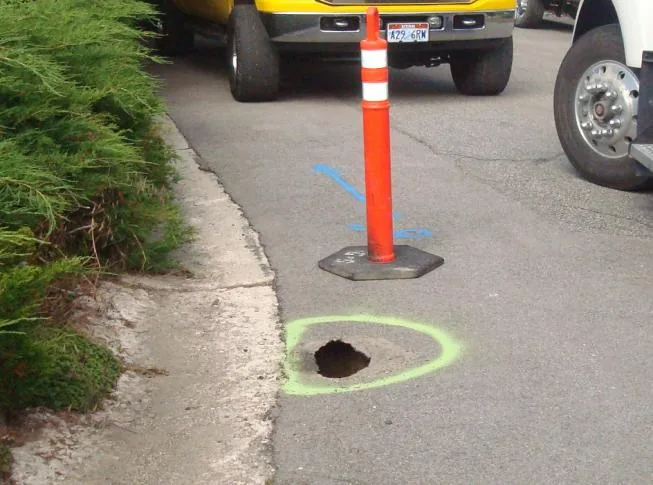
- Voids under roads, highways and runways
- Strengthening the base under highway asphalt
- Improving support under railway track beds
Roads, bridges & culverts
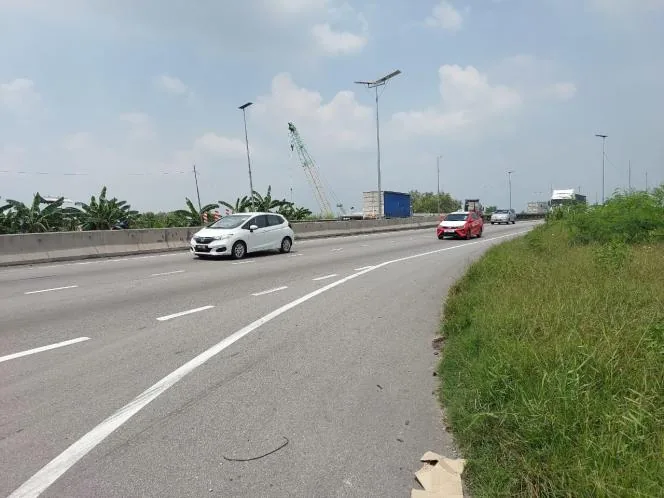
That bump where the road meets the bridge is the embankment settling while the piled bridge stays put. We inject polyurethane under the approach to fill the voids, strengthen the fill and bring the road back to level.
Open folder · 23 photosWhere we use it
01
02
03
The story
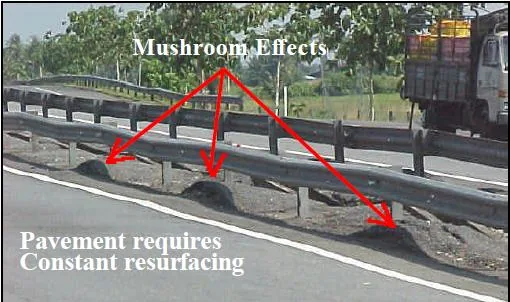
Bridges and culverts sit on piles. The embankment leading up to them sits on soil, often soft. Over time the fill settles and voids open under the approach slab, so a step forms at the joint. Resurfacing again and again only adds weight (the "mushroom effect") and the bump returns.
We work in stages. First, voids directly under the approach slab are filled with PU foam. Next, we drill through the slab and inject beneath the piled embankment slab to create a curtain that stops fill migrating. Finally, the compacted fill at the transition between the embankment and the piled section is injected at 1–2 m spacing to strengthen it and even out settlement.
Much of the work is done at night under lane closures. The foam sets quickly, so closures are short compared with excavation and rebuilding.
Our track record includes expressway, highway and bridge abutment projects in Selangor, Pahang and Johor; see Projects.
Photo folder
Photos from our sites. Tap any photo to view it larger.
Expressway bridge approach before rehabilitation
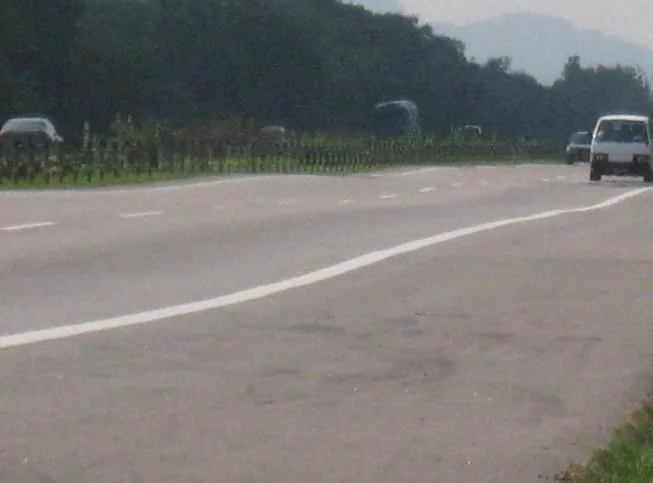 Depressed section on a highway lane
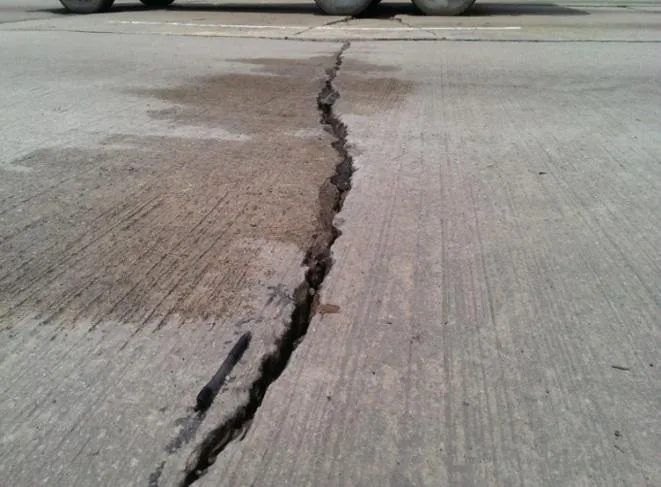 Crack running across a concrete pavement
"Mushroom effect": repeated resurfacing over a settling approach
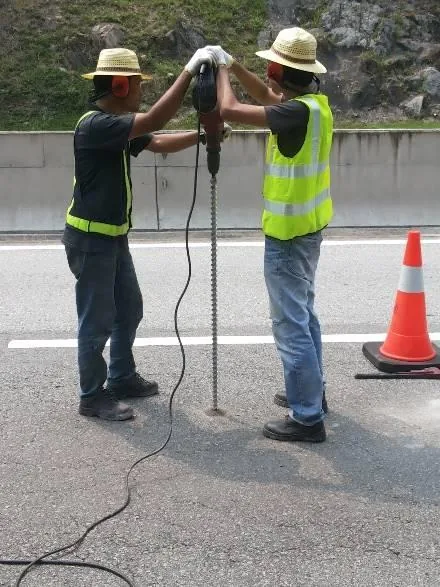
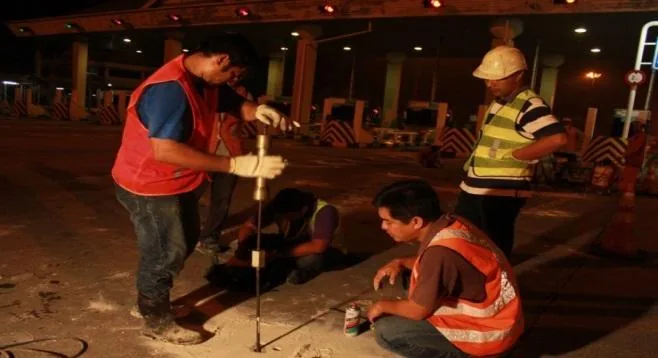 Night works: drilling injection points
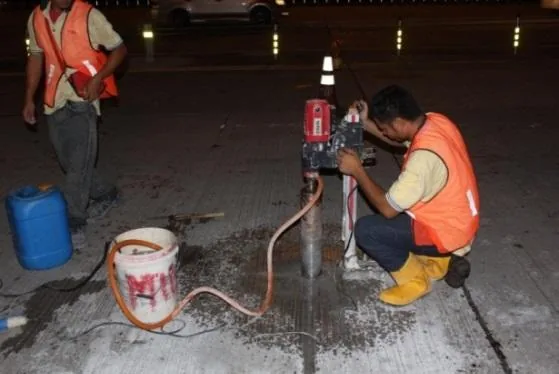 Drilling through the pavement at night
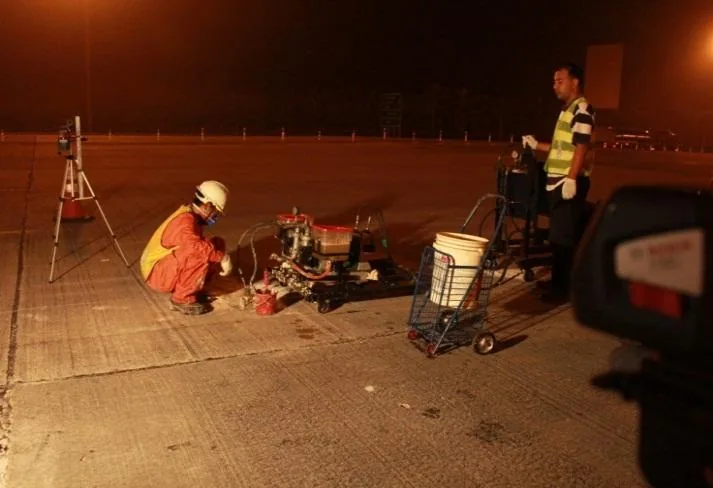 Laser level monitoring the lift during injection
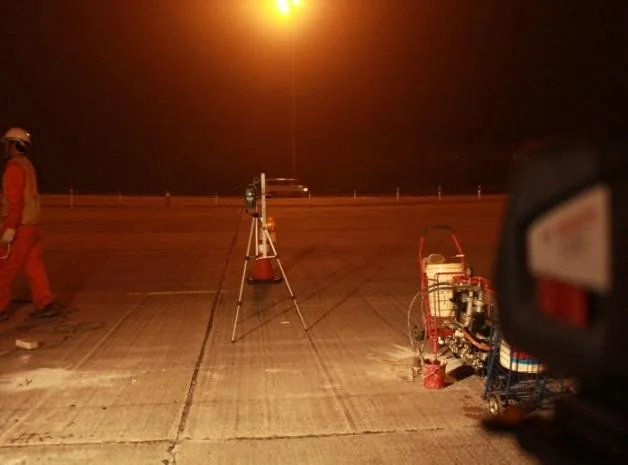 Survey set-up for a night injection
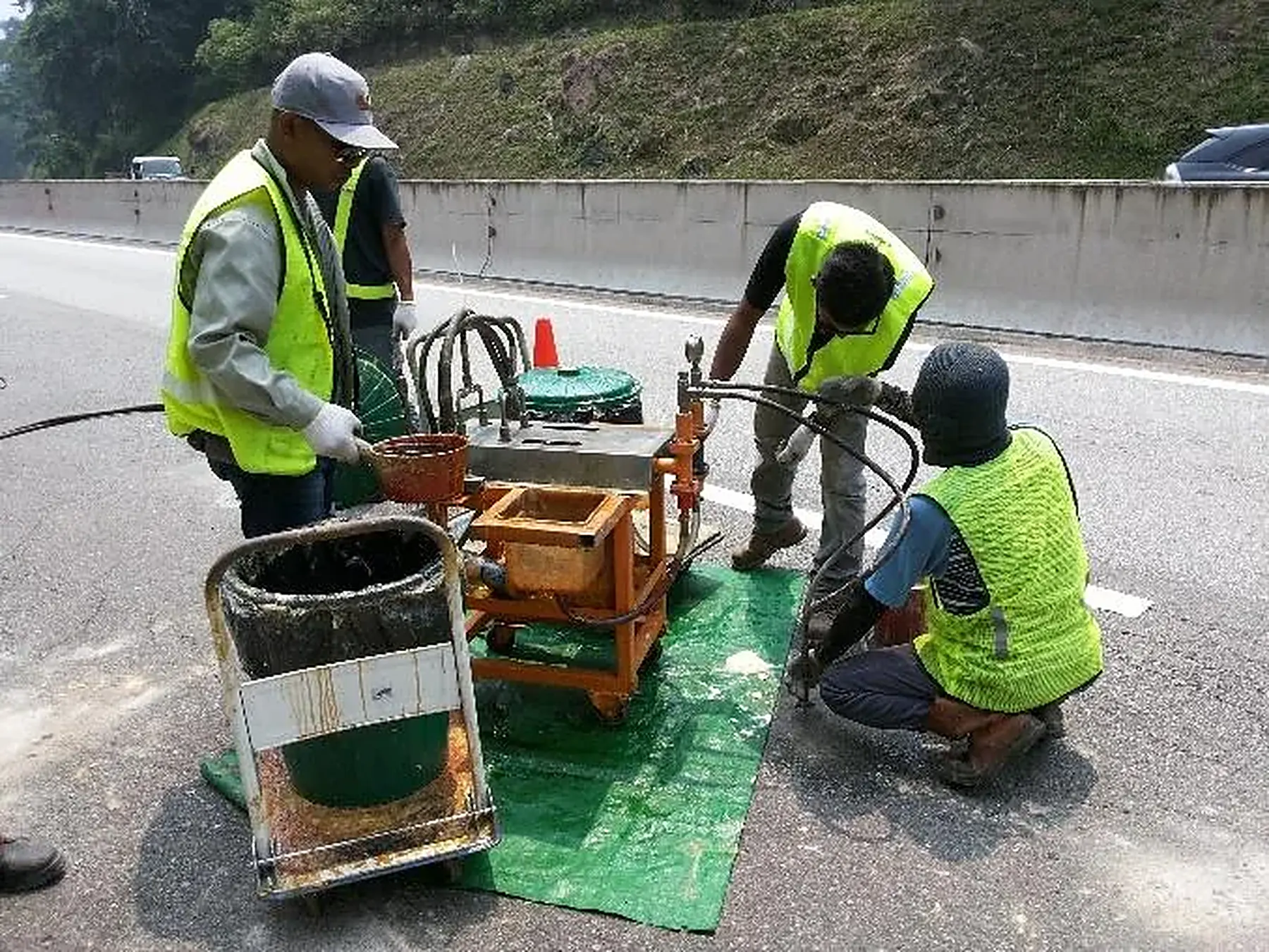
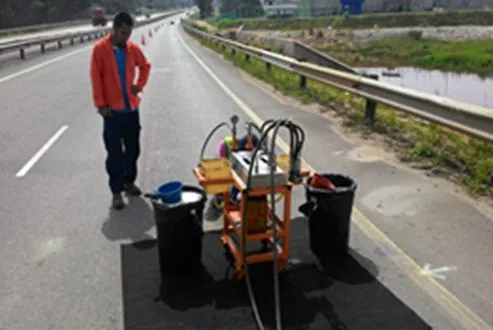 Injection rig on a highway shoulder
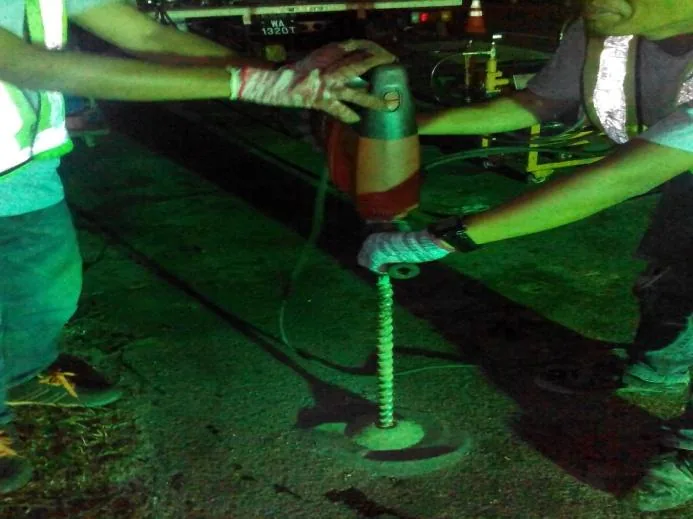 Injection works under site lighting
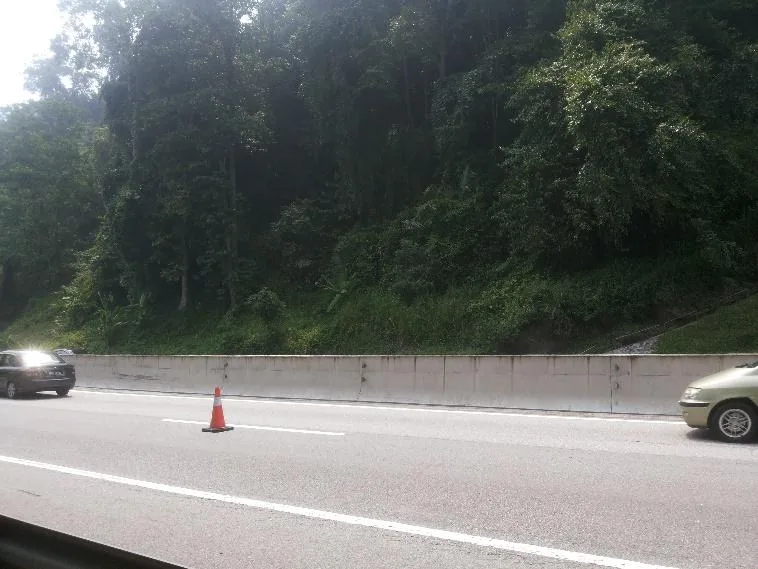 Highway section through hilly terrain
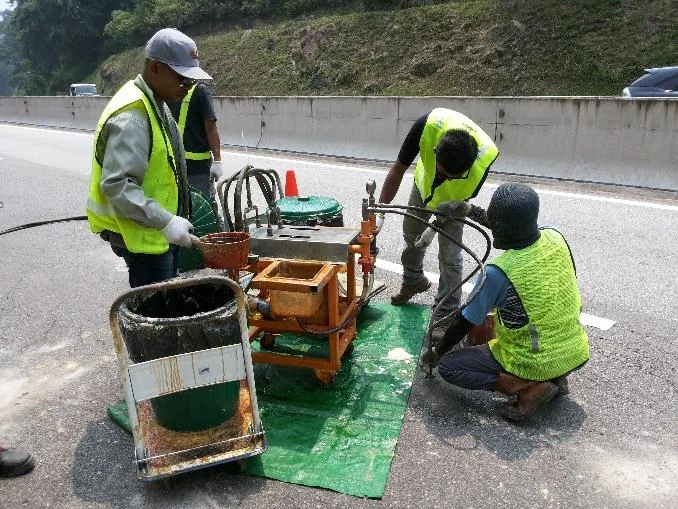 Crew injecting PU on a highway lane
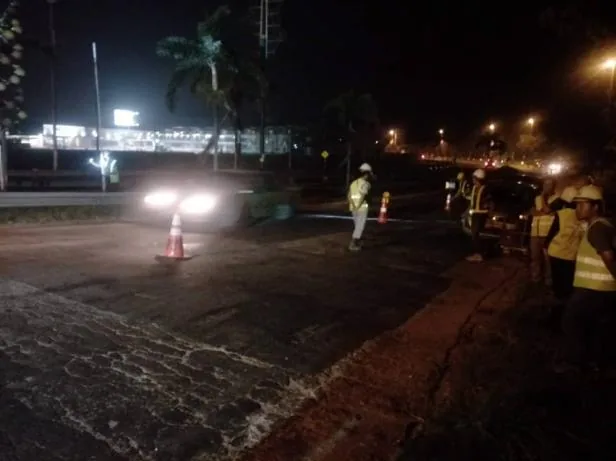 Night injection at a bridge approach
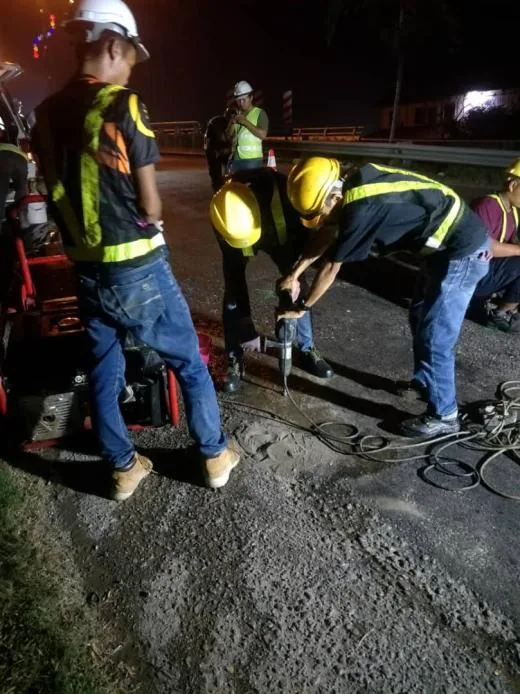 Connecting the injection gun to the packer
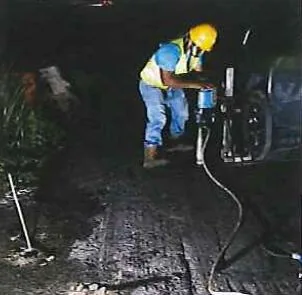 Pumping PU through the packers
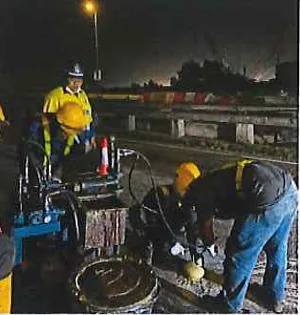 Injection crew and pump unit at night
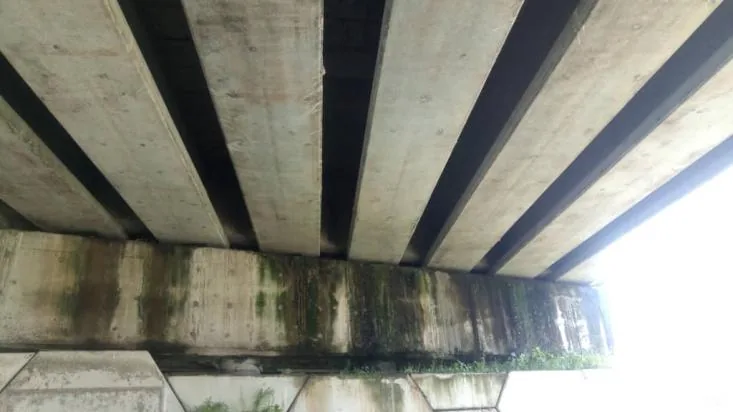 Under a bridge deck: checking the abutment
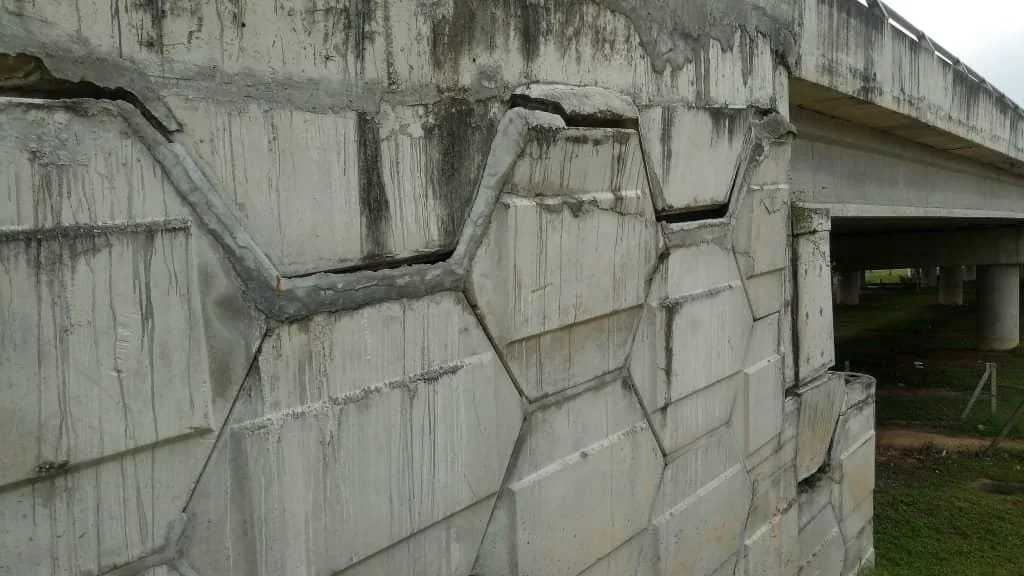 Cracked slope protection panels at an abutment
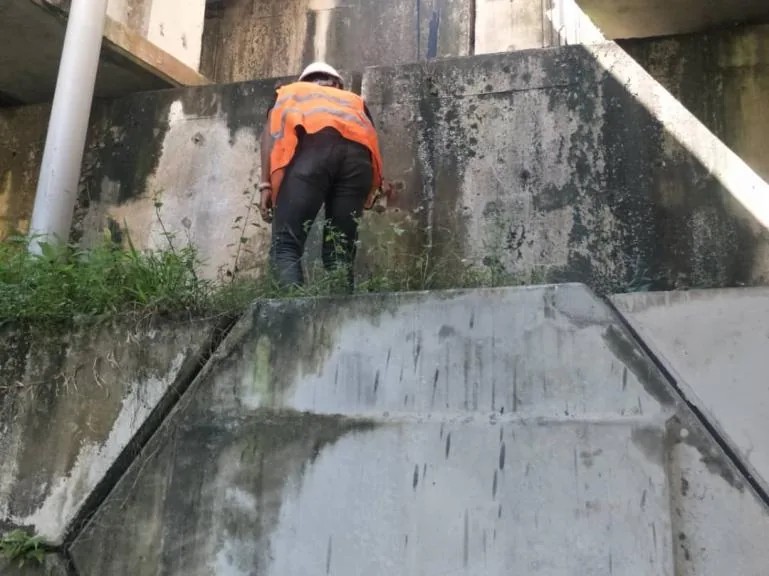 Inspecting the abutment slope
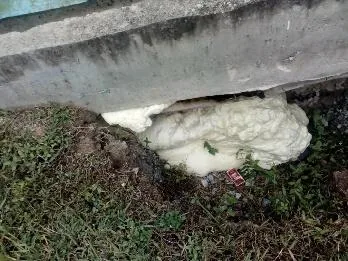 Foam filling voids under the abutment slope
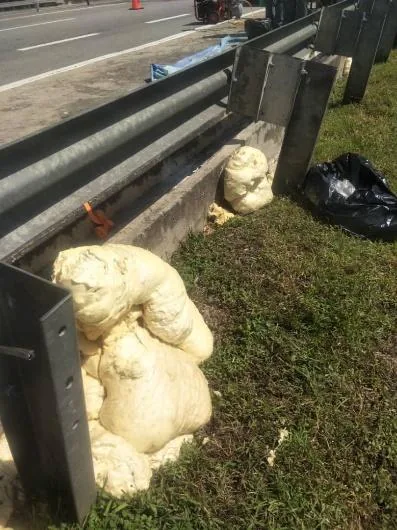 Foam emerging beside the guardrail after void filling
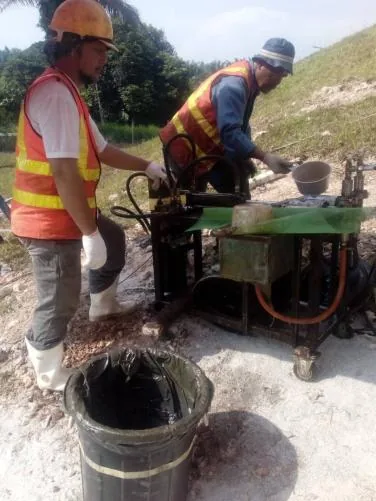 Mixing and pumping on an embankment
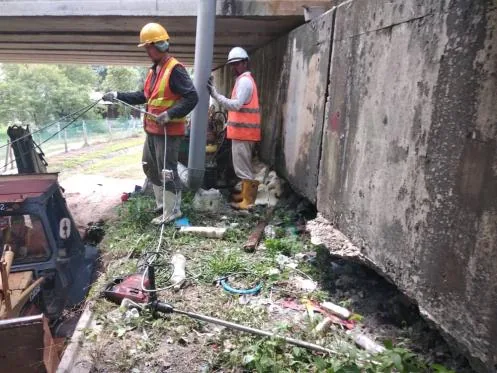 Working beside a bridge abutment wall
Our techniques
 8 photos
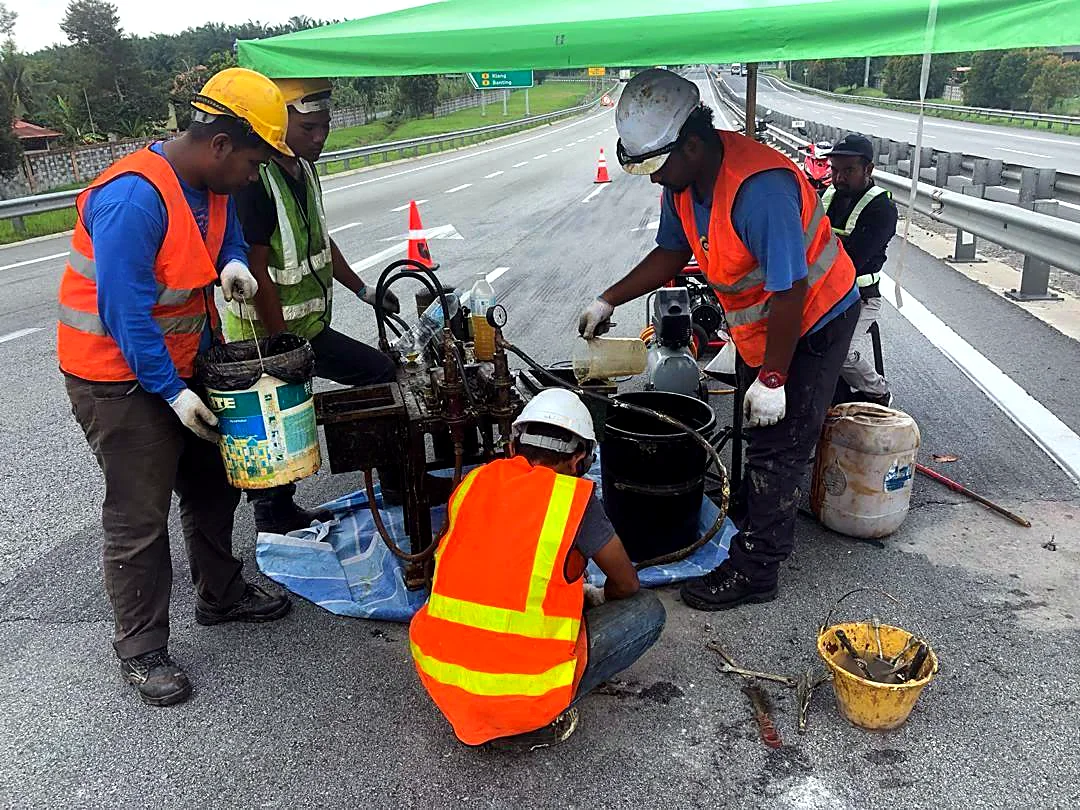
PolyGeo injection
PU Injection
Expanding polyurethane that fills voids and strengthens weak soil.
 12 photos
Home-grown product
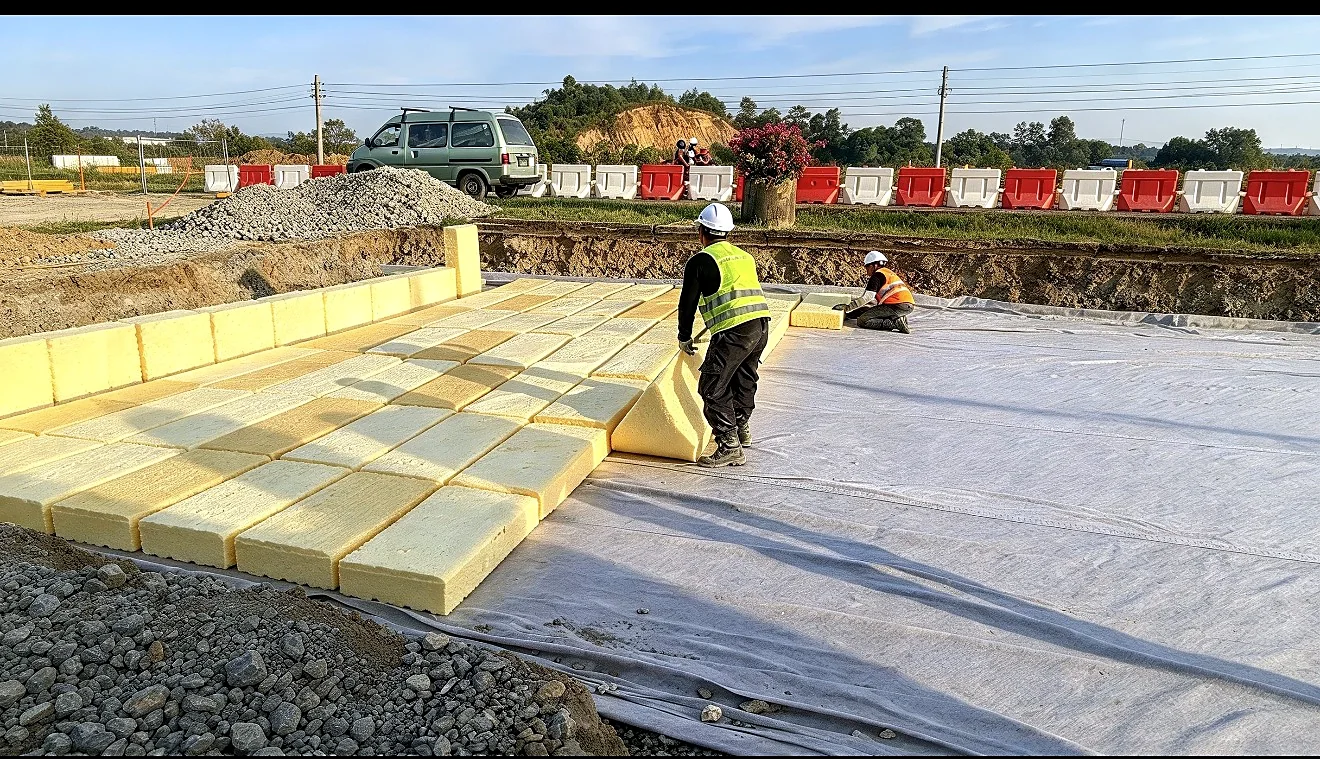
GeoPolyMattress
Buoyant mattress of lightweight blocks: a stable base on weak ground and high water tables.
 5 photos
Testing & monitoring
Site Investigation & Monitoring
Probe tests, cone tests, resistivity and settlement monitoring.
Managing a road or bridge with a recurring bump? Talk to us about a trial section.
Projects
Highway
KM 48.7–48.85 eastbound, Pahang
Pavement defects: shallow PU injection. Geotechnical assessment and injection works for a depressed pavement section. Probe tests before and after injection showed the sub-grade re-strengthened.
Bridge
Pulau Indah Expressway (Phase 2), Selangor
Bridge abutment rehabilitation. Void filling under the approach slab, PU injection beneath the piled embankment slab, and ground stabilisation at the transition zone, with settlement monitoring afterwards.
Highway
Johor
Void and cavity stabilisation at a transition zone. Stabilisation of voids between a piled embankment slab and the embankment fill. Plate loading tests after injection recorded bearing pressures above the design criteria.
How we work
Probe tests, resistivity and level surveys locate voids and weak fill.
Voids under the approach slab are filled with PU foam.
PU is injected beneath the piled embankment slab to stop fill migrating.
Transition fill is injected at 1–2 m spacing to strengthen it.
Settlement markers are read over the following months.
FAQ
Usually only one lane at a time, often at night. The foam sets quickly, so closures are much shorter than for excavation.
Resurfacing adds weight to fill that is still settling. Injection fills the voids and strengthens the fill itself, which treats the cause.
Tell us what's moving. We'll tell you how to fix it.